
I’m not sure why, but I almost never remember a meal by the exact name first. I remember the air. Smoke that follows you for ten minutes. Warm garlic that seems to stick to your fingertips. That slightly sweet, slightly sharp moment when turmeric hits heat and the kitchen changes its mood.
That’s where my curiosity about traditional Balinese food begins—before menus, before “must-try” lists, before anyone tells you what you’re supposed to like.
And I’ll admit something: I used to want a neat explanation right away. Like there’s a single key that unlocks everything. Bali doesn’t really give you that. It gives you hints.
Don’t Try to Solve the Menu
Bali can overwhelm you softly. It’s not aggressive about it. It’s more like: you sit down, and suddenly there are unfamiliar words, a rice plate with many components, and your brain wants to draw a map on the spot.
But if you take a breath—an actual breath—food gets easier. You don’t need to memorize. You need to notice.
Notice what smells smoky, notice what looks grilled. Notice what’s mixed with coconut, notice that tiny bowl of sambal sitting there like it’s waiting to evaluate your confidence.
This is traditional Balinese dishes explained in the least dramatic way possible: it’s not a test. It’s a plate. You’re allowed to be curious and slow.
Morning Markets: Not Romantic, Just Honest
If you go to a morning market in Bali, the first thing you’ll realize is that it’s not arranged for you. It’s not trying to be cute. It’s trying to work.
Hands move quickly. Plastic bags snap. Someone is calling out prices in a tone that sounds like music if you don’t understand the words. A scooter squeezes past where it shouldn’t. A small dog is sleeping like it owns the aisle. You step around it because—well, you do.
You’ll see ingredients repeating like a chorus: shallots, garlic, ginger, galangal, turmeric, chilies. Lemongrass. Kaffir lime leaves. Coconut in multiple forms: fresh, grated, pressed, toasted.
It’s the repetition that matters. The same aromatics, the same staples, rearranged into different moods. That’s why traditional Balinese food starts to make sense at the market level: you’re watching the building blocks, not the finished speech.
And if you want traditional Balinese dishes explained without turning it into a lecture, this is the market version: you’re seeing what “normal” tastes like here—what smells comforting, what looks essential, what’s worth carrying home.
Why Warung Plates Look “Busy”
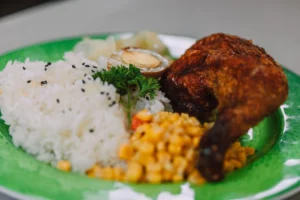
A warung rice plate can look like too many things at once. Rice in the middle, then several side dishes around it. Some grilled, some mixed, some crunchy, some dark and glossy. Some… honestly, unclear at first glance.
You might think: where do I start?
I’ll say something obvious, because it genuinely helps: you don’t have to do it perfectly. You can try each thing once. You can mix or you can not mix. Nobody is grading you. The spoon might be slightly bent anyway. The fork might not match. That’s fine.
That “busy plate” style is usually about balance. Rice holds things together. A savory item gives depth. Something crunchy gives lift, something spicy wakes your face up. Something herbal or fresh keeps the next bite possible.
Here’s traditional Balinese dishes explained in a table-side way: start with rice plus one savory side. Add sambal like punctuation, not like a whole paragraph. Adjust until you find your rhythm.
The Spice Base You Recognize Before You Recognize Anything Else
Even before you learn dish names, you start recognizing a certain aroma that feels like Bali’s signature. People might mention base genep—a “complete” spice mixture used in many preparations. It varies from family to family, but often includes shallots, garlic, turmeric, ginger, galangal, chilies, candlenut, sometimes shrimp paste, plus other ingredients.
What matters is how it behaves in heat: it blooms. It fills a kitchen. Clings to hair and fabric just a little. It makes the air feel warmer than it was five seconds ago.
I’m returning to the same idea again, because it’s useful from a different angle: traditional Balinese food isn’t “spicy” in one flat way. It’s layered. The spice base gives depth first, then warmth, then brightness, then heat. Sometimes the heat shows up late—like it waited politely and then changed its mind.
And yes, traditional Balinese dishes explained here is basically this: many dishes are cousins. Different main ingredients, different cooking methods, but the same family scent.
A Few Dishes You’ll Hear About (And What They Feel Like)
I’m not going to pretend a list solves everything. It doesn’t. But it helps to have a few “characters” in your head.
Sate lilit: minced meat (often fish or chicken) mixed with spices, wrapped around a stick, grilled. Fragrant, slightly smoky, usually gentler than it looks.
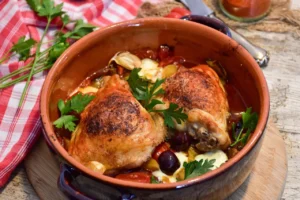
Ayam betutu: chicken cooked slowly with spices until the flavor goes deep. Not sprinkled-on flavor—moved-in flavor.
Lawar: a mix that can include vegetables, coconut, spices, sometimes meat. Textured. Sometimes fresh and rich at the same time, which sounds contradictory until you’re chewing and going, okay, fine, that works.
Babi guling: spit-roasted pork (common in Bali), often served with multiple components on one plate—crispy bits, savory bits, spicy bits. Loud, but oddly structured.
This is the part where traditional Balinese food feels like it has its own logic: it likes contrast. It likes layers. It likes making one bite feel different from the next bite, even if you’re eating from the same plate.
Sambal: The Moment You Negotiate With Yourself
Let’s talk about sambal in a practical way, because sambal can change your whole mood.
Sambal in Bali can be bright and sharp, or smoky and deep, or simply… extremely hot. If you’re used to mild spice, do not treat it like ketchup. Start small. Tiny. The size of a polite thought. Then wait a second. Sometimes spice has a delayed sense of humor.
You’ll see people do the “brave scoop,” then get very quiet. Not dramatic quiet. Just… still. Staring into the distance. It’s funny, but also avoidable.
Here’s traditional Balinese dishes explained again, from another angle: sambal is often meant to be adjustable. Rice is there to soften heat. A cold drink is there to reset you. The meal is supposed to continue, not end in heroic suffering.
Where to Eat Without Turning It Into a Performance
Warungs are the obvious answer, yes. But the “best” place is often the one that’s consistently busy at lunch. Not because locals have magical taste buds. Because repeat customers are basically reviews you can trust.
Markets are good for small bites. Family-run spots can have a steadiness to them—recipes done the same way over and over, not reinvented daily.
And here’s a tiny, not-very-efficient observation that’s still real: sometimes you can tell a place is good by how little it tries to convince you. The menu board might be written in fading marker. The iced tea arrives with ice already half-melted. The cook looks bored in a confident way. Food comes fast. Smells right.
That’s the fourth time I’m circling back to a similar point, but from the “vibe” angle: traditional Balinese food often feels strongest in simple settings, where it’s not being explained too hard. It’s just being served.
A Beginner Plan That Doesn’t Pretend You’re on a Quest
If you’re new, try this:
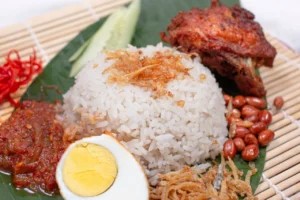
Day one: get a mixed rice plate. Keep sambal on the side. Taste each side separately once, then start combining.
Day two: try something slow-cooked like ayam betutu or something grilled like sate lilit. Add a coconut-based or vegetable-based side if you see one.
That’s it. Two days. No hero arc.
And if you want a mental model—because sometimes we do—here’s traditional Balinese dishes explained as a small set of patterns: aromatic spice base, a chosen cooking method (grilled, slow-cooked, mixed), and balancing elements on the plate.
The Emotional Part (Annoyingly True)
Food is never only food. Sorry. I know that sounds like something printed on a café wall. But it’s true.
People remember smoke stuck to clothes after a grilled meal. They remember the crunch of fried shallots. And they remember coconut showing up in unexpected places—softening heat, adding texture, making vegetables feel satisfying. They remember the exact moment they learned not to underestimate sambal.
Even if you haven’t built your own Bali memories yet, you can still see why this food stays with people. It’s not one flavor. It’s a system of contrasts that keeps your mouth awake.
And here’s the fifth and last time I’ll say it: traditional Balinese food isn’t just “what to eat in Bali.” It’s a way of understanding daily life through balance—heat and relief, depth and brightness, soft and crisp.
To wrap it up: traditional Balinese dishes explained doesn’t mean you need to memorize a glossary. It means you learn patterns slowly. You taste. You adjust and you repeat. And somehow, one day, that plate that looked “too busy” starts to look normal—like it’s exactly what lunch should be.