
I did not always understand why people talk about Bali the way they do. For years, I filed it under “beautiful island, good food, warm people.” True, yes. But also incomplete. It is like describing a book by saying the cover is nice.
The first time Bali changed the tone of my thinking, it was not on a cliff or a beach. It was on a narrow street in the morning, when the light was still a little shy. A small offering sat on the ground, and someone had placed it with such quiet care that I slowed down without deciding to. I remember stopping for no practical reason, I was not lost. I was not waiting for anyone, I just stood there, watching smoke from incense curl upward in a way that looked, oddly, like it had time.
That is the beginning point for Bali thoughtful travel. Not a program. Not a checklist. More like a gentle interruption to the speed you brought with you.
And yes, you can come to Bali and do it fast. Many people do. But the island keeps placing small moments in your path that invite you to do something else, to notice, to soften, to reconsider. Sometimes you accept. Sometimes you do not. The invitation still stands.
Ritual In The Open And What It Does To A Visitor
In many places, culture is behind glass. In Bali, it is on the sidewalk.
Offerings appear like punctuation marks throughout the day. Ceremonies move through streets with a calm authority that makes scooters yield. Temple anniversaries, prayers, music, flowers, cloth, water, smoke. It is not staged for outsiders, even if outsiders watch. That distinction matters.
If you pay attention, you realize the rituals are not only spiritual acts. They are social technology, they keep people connected, they preserve memory. They provide a shared rhythm when life gets messy, which it always does.
This is why Bali thoughtful travel often starts with observation. The first skill is not photographing. The first skill is reading a room. Or reading a street. When you see a procession, your instinct might be to step closer, to capture, to take. A more respectful instinct is to pause, ask where to stand, and let the event remain what it is.
There is a small discomfort here, and I think it is productive. Many travelers are used to being centered. In Bali, you quickly learn you are not the main character. You are a guest walking through someone else’s sacred calendar.
A practical tip that does not sound romantic but works: learn basic etiquette before you enter temple areas. Dress appropriately, speak softly, and avoid stepping on offerings. You will make mistakes anyway, likely small ones. The point is to keep your attitude flexible and sincere. People notice that.
Nature That Is Not Just Scenery
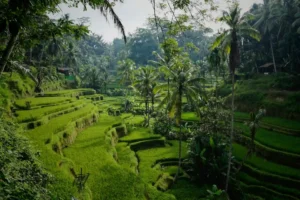
Bali’s landscapes are famous for good reasons. The beaches can look unreal at dusk. The rice terraces can make your brain go quiet. Volcanoes rise in the distance like reminders that the island is not a theme park.
But the deeper lesson is that the land has boundaries and agreements.
If you spend time around the rice fields, you may hear about subak, the cooperative irrigation system tied to temples and community decision making. Water is not simply extracted. It is negotiated, shared, honored. That approach can feel foreign if you come from places where nature is mainly managed through individual ownership.
That is another entry into Bali thoughtful travel. You begin to see nature as relationship rather than backdrop. Relationship asks for reciprocity. And reciprocity forces questions you might prefer to avoid, like where does the waste go, who bears the cost of development, who has access to clean water when tourism expands.
I am not saying this to make you feel guilty. Guilt is often lazy. It can become a performance. What helps is clarity. If you understand the pressures, you can make better choices without dramatizing yourself.
Try this: choose one day where the main attraction is learning, not spectacle. Visit a small farm, a cacao garden, or a community based project connected to land stewardship. Ask simple questions. How do seasons change the work. What has tourism improved. What has it complicated. Listen carefully. Do not rush to agree or correct. Just listen.
Then later, go to the beach. Let yourself enjoy it. Thoughtfulness does not cancel pleasure. It deepens it.
The Quiet Way Bali Teaches Slowness
People love the idea of slow travel. Living it is harder.
Bali gives you practice in ways that are not always poetic. Traffic can be heavy. Weather can shift without warning. A ceremony can close a road you assumed was open. A meal might take longer than you expect. A queue forms, then dissolves, then forms again.
At first, this can irritate you. You might feel your mind tightening. You might catch yourself thinking, why is this inefficient. And then you notice the local person next to you is not angry. They are simply in the moment. They are talking, laughing, waiting without turning it into a crisis.
That observation can be a turning point. It sounds small, almost silly. But it is often how change happens. Not through big realizations, but through noticing your own habits in contrast to someone else’s ease.
This is a second angle on Bali thoughtful travel. It is not only about ethical decisions. It is about internal speed. The island becomes a mirror. It shows you how quickly you try to control time, and how little control you actually have.
A tiny experiment that works better than any lecture: leave one afternoon unplanned. No reservations. No route. Walk until you find a warung that feels inviting. Sit. Order something simple. If the food arrives slowly, let it. Watch how your mind looks for stimulation. Your hand will reach for your phone. You will feel that impulse like a twitch. Do nothing with it. Just notice. After a while, something shifts. You start seeing the street as a story rather than a corridor.
Wellness, Healing, And The Question Of Responsibility
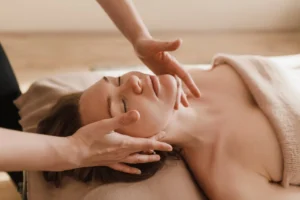
Bali is saturated with wellness language. You can find yoga, breathwork, sound baths, herbal tonics, retreats, therapists, coaches. Some offerings are serious and grounded. Others feel like trends wrapped in incense. It is okay to be skeptical.
What is interesting is how easily “healing travel” can become self centered. I came here to fix myself, I deserve this, I am escaping. These stories are not wrong, but they can become narrow.
Bali has a way of widening them.
Community is visible everywhere. Family compounds. Shared ceremonies. Neighbors preparing offerings together. Children practicing dance. Men rehearsing music late into the evening. The message is not spoken directly, but it is felt: a good life includes other people, not just your own inner world.
So Bali thoughtful travel can mean holding two truths at once. You can rest and still be considerate. And you can seek renewal and still ask where your money goes. You can attend a “spiritual” experience and still inquire about who benefits, who leads, and how the practice is connected to local tradition, if it is at all.
A small guideline I use, imperfectly: if an experience promises instant transformation, be careful. Real growth is usually slower, more awkward, less cinematic. Look for teachers or guides who emphasize respect, safety, and context rather than mystical shortcuts.
Also, pay attention to labor. Who cleans the space you use, who cooks your food. Who drives you across the island. Are you treating them like invisible infrastructure, or like human beings with dignity. It is uncomfortable to ask this, but it matters.
Experiences That Make The Trip Feel Like A Beginning
If you want Bali to be more than a highlight reel, choose experiences that invite depth. Not every day. You do not need to turn your holiday into homework. But a few choices can shift the whole atmosphere.
Stay somewhere that has a human pulse. A homestay. A small locally owned guesthouse. A place where you exchange greetings daily, not just room keys. These small interactions accumulate. They make you care.
Learn one craft with context. Cooking, silverwork, wood carving, dance, painting. Not because you need a new skill, but because it reveals patience. You watch hands that have repeated the same movement for years. You learn that mastery is quiet. It does not announce itself.
Visit a temple with a guide who can explain meaning rather than only rules. Etiquette without meaning can feel like choreography. Meaning turns it into respect.
Spend time in nature with people who know the land. A licensed hike, a local trekking guide, a visit to a farming area where someone can explain seasons and water. The goal is not to conquer a view. The goal is to understand what you are looking at.
And then, allow one evening for nothing productive. Sit somewhere you can watch the light change. Beach, rice field edge, rooftop, a simple bench near a quiet street. Let your thoughts wander. This is often the moment when Bali as a travel starting point becomes real, because you start imagining how you want to travel next, not just where.
Bringing The Mindset Home Without Pretending You Changed Overnight

Here is the part people sometimes skip. They leave Bali, then return to normal life, and the insight evaporates within a week. That is not a moral failure. It is human.
So let us make this practical and gentle.
Choose one habit to bring home. Only one. If you choose five, you will do none. Maybe it is walking without headphones in the morning. And maybe it is researching the history and etiquette of a place before you go. Maybe it is traveling less often but staying longer. And maybe it is supporting local businesses more intentionally, even in your own city.
This is the final return to Bali thoughtful travel. The point is not to become a different person in ten days. The point is to develop a slightly different relationship with attention, with consumption, with community, with time.
If you want a soft ritual, write a note on your last night. Not a long journal. Just a few lines. What surprised you, what challenged you. What you enjoyed without guilt, what you did not handle well. Include that too. Honest notes age better than inspirational quotes.
And when you plan your next trip, read that note before you book anything. Let it guide you, quietly. No announcement needed.