
In Kyoto, context can mean understanding why early mornings feel gentler on the city. On Bali, it can mean seeing how ceremony and daily life weave together, and how easily visitors can flatten that into mere aesthetics. At Istanbul, it can mean noticing the layers—trade, empire, faith, modern city life—without trying to summarize a thousand years like you’re speedrunning a documentary. This kind of awareness is often what turns ordinary trips into truly personalized travel experiences.
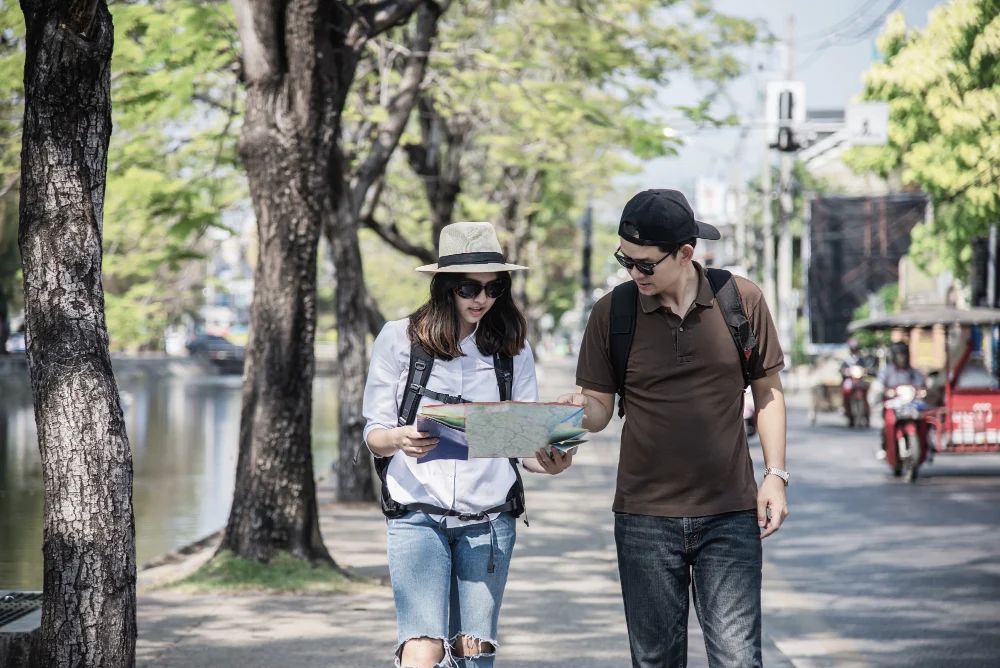
Designing Travel Experiences Around People, Not Places
Within Insights
I used to plan trips like I was trying to win something. Not an award, exactly—just the quiet satisfaction of a “good” itinerary. The kind that looks neat in a...
I used to plan trips like I was trying to win something.
Not an award, exactly—just the quiet satisfaction of a “good” itinerary. The kind that looks neat in a notes app. Times, pins, little arrows. I’d tell myself it was freedom. It was control, mostly.
And then I’d arrive in a place I’d dreamed about—one of those cities you think you already know because you’ve seen it online a hundred times—and I’d feel… oddly blank. Not unhappy. Just not fully there. Like I was walking through a set that someone else had built.
It wasn’t the destination’s fault. It was mine. Or rather, it was the plan’s fault.
When travel is designed around places, we treat locations as if they automatically produce meaning. Go to the famous viewpoint, stand where everyone stands, take the photo that proves you were there. You might have a beautiful day. You might also end up exhausted in a beautiful day, which is a different thing.
When travel is designed around people, it starts with a more uncomfortable question: who is actually traveling? What do they need, and what do they pretend not to need?
This is why personalized travel experiences are more than a trend. They’re a correction. They return the center of gravity to the traveler’s body, attention, and emotional bandwidth.
I know that sounds slightly intense. But travel is intense, sometimes in ways we only notice later.
The Person You Are On The Trip Is Not The Person On The Couch
At home, you can recover from a rough day easily. You know your routines. You know where to go when you need quiet. And you know what “normal” feels like.
On a trip, you’re constantly adapting.
New language cues. New street logic. Different social rules. Different sense of personal space. Your brain is doing background work all day, even if you’re “relaxing.” That background work shows up as irritability, or decision fatigue, or that strange moment when someone asks where you want to eat and you suddenly can’t answer like an adult.
So, yes, places matter. But the person moving through the place matters more. That’s where personalized travel experiences begin—not with destinations, but with how you move through them.
Two travelers can do the same route and come back with different memories. One feels energized by crowded markets; the other feels their shoulders tighten and never fully relax again until the hotel room. One wants conversation; one wants observation. One likes bold novelty; one wants novelty in small doses, like spice.
None of that is a flaw. It’s design input.
A people-first plan asks, early on: what kind of day makes you feel most alive? What kind of day makes you shut down?
Sometimes the answer isn’t poetic. Sometimes it’s annoyingly practical: “I can’t handle too many transfers.” Or: “I get headaches in loud places.” Or: “If I don’t have a slow breakfast, I’m not myself.”
That’s valuable information. That’s the blueprint.
Listening Before Scheduling

Most travel planning starts with a destination list. Then it collects constraints: budget, dates, hotel preferences, must-see attractions.
People-centered planning collects different data. It listens for the traveler’s patterns.
Questions I wish more itineraries asked:
-
What time of day do you naturally feel sharp?
-
Are you happier with depth (one neighborhood, deeply) or variety (many neighborhoods, lightly)?
-
How do you recover—silence, movement, food, conversation?
-
Do you learn best through stories, through visuals, through doing something with your hands?
-
When you imagine this trip, what do you secretly hope happens?
That last one can be awkward. But it’s also where the truth is.
Sometimes someone wants a trip because they need a break from being responsible. Sometimes they want to feel brave again. And Sometimes they want to celebrate something and don’t know how to mark it. Sometimes they want to prove to themselves that they can still be curious.
And sometimes… they just want three days where their brain stops buzzing.
A plan that ignores that will still look good. It just won’t land.
This is where personalized travel experiences begin to feel like common sense: you’re not customizing for luxury. You’re customizing for reality.
Rhythm Is The Difference Between A Great Trip And A Great Photo Set
Let’s talk about pace.
A lot of itineraries are built like a sprint. Breakfast, attraction, attraction, lunch, attraction, dinner, optional nightlife. It feels productive. It also feels like you’re being chased.
The brain doesn’t remember everything it sees. It remembers what it had time to notice.
So I like “anchor days”—days with a single main focus and plenty of room around it. Not empty room. Just breathable room.
Breathable room can mean:
-
a slow morning after a travel day
-
an afternoon that’s intentionally unclaimed
-
a café stop that’s not “efficient” but feels right
-
walking routes that allow drifting without guilt
-
an evening that ends earlier than you’d normally brag about
I know, “ending early” doesn’t sound like an adventure story. But an adventure story is hard to enjoy if you’re running on fumes.
And here’s a strange truth: under-planning can be the most disciplined planning. Because it resists the urge to treat travel like a performance.
Connection Without Making It Weird

People want “authenticity,” but they rarely mean it in an academic way. They mean: I want to feel something real.
Sometimes “real” arrives in small forms:
-
a vendor recognizing you the next day
-
a guide telling one personal story that changes how you see a street
-
the quiet of a neighborhood where nothing is trying to impress you
-
a simple meal eaten slowly, without checking ratings mid-bite
Connection can’t be forced, and it shouldn’t be treated like a collectible. “Meet locals” is not an activity. It’s also not respectful as a goal on its own.
Better is to design conditions where interaction can happen naturally:
-
small group workshops
-
community markets at calmer hours
-
neighborhood cafés with regulars
-
walking tours built around daily life, not just monuments
This is the heartbeat of people-centered travel design: it creates space for human moments without turning humans into a product.
And if connection doesn’t happen? The day can still be good. That’s important too.
Context That Helps You See, Not Just Know
Context is the difference between “I visited” and “I understood a little.”
But context doesn’t need to be a lecture. In fact, lectures are the fastest way to make people’s eyes go dull, even in a stunning place.
People-first context is selective. It’s attached to what the traveler is already feeling curious about.
Instead of dumping history, ask:
-
Why was this built in this particular way?
-
Who was it for?
-
What did daily life look like around it?
-
What changed, and why does that change matter now?
Context also includes present-day realities: tourism pressure, local etiquette, which behaviors are sensitive, what “respect” actually looks like in practice.
You don’t need to know everything. You need to notice with care.
Practical Design Moves That Work Almost Anywhere
These are not rules. They’re tools. Try them, discard them, keep what fits.
Protect The Traveler’s Peak Energy
Place the most meaningful activity when energy is naturally highest. For some people that’s early morning; for others it’s late afternoon. Planning against your biology is a quiet form of self-sabotage.
Choose A Home Base For Mood
A central location can be convenient and exhausting. A quieter neighborhood can be calming and slightly inconvenient. The question is: what kind of tired do you prefer?
Build Return Points
Pick two or three places you can revisit: a café, a park, a small shop. Familiarity inside unfamiliarity is grounding. It makes you feel less like a visitor passing through and more like a person temporarily living somewhere.
Design For Friction Like It’s Normal
Lines, delays, closures, language confusion—plan as if they will happen. Because they will. Keep backup options close to your main plan.
Carry A Small Ritual
A short night walk. One journal sentence. Tea before bed. Taking the same kind of photo each day—doors, breakfasts, street signs. Rituals are memory glue.
This is, again, where personalized travel experiences quietly change everything. Not through extravagance, but through emotional engineering: tiny choices that protect presence.
Recommendations: Experiences That Prioritize The Person

Different travelers want different kinds of meaning. Here are a few “experience shapes” that can fit many destinations.
For The Quiet Observer
-
early morning neighborhood walks
-
museums with one focused exhibit, then a long lunch
-
bookstores, galleries, and slow time by water
-
photo walks centered on light and texture
The Social Explorer
-
food tours led by storytellers
-
cooking classes where conversation is natural, not forced
-
guided walks with small groups
-
local events where participation can be light
For The Hands-On Learner
-
ceramics, batik, weaving, woodworking
-
market-to-table cooking
-
foraging or farm visits with clear ethics
-
beginner-friendly dance or music sessions
The Rest-Seeker
-
spa or wellness time in the middle of the trip
-
nature days with minimal transfers
-
fewer “big” activities, more gentle ones
-
accommodations chosen for quiet, not just style
And yes, I’m repeating the core idea from a slightly different angle on purpose: when travel is designed around people, it becomes easier to make choices. You stop asking what’s “best.” You ask what fits.
That shift is calming.
When Plans Break, Let The Trip Stay Kind
Some of the best travel memories happen when the plan fails.
A storm cancels something. A place is too crowded. You take a wrong turn. You end up somewhere unremarkable on paper—until it becomes your favorite hour.
People-first planning doesn’t eliminate chaos. It makes chaos less costly.
Helpful buffers:
-
flexible afternoons every few days
-
one low-effort “win” nearby (a scenic café, a park, a gentle walk)
-
backup options that match your energy
-
permission to change your mind without guilt
The goal isn’t to execute the itinerary. The goal is to come home feeling like you actually lived the trip.
That’s why personalized travel experiences often feel richer even when they’re simpler: they’re designed for life as it is, not life as a brochure.
A Soft Closing Thought
Before your next trip, try one small exercise. Write a sentence about the feeling you want.
Unhurried.
Curious.
Rested.
Quietly amazed.
Brave, but not stressed.
Then build your days to protect that feeling.
If you want to go one step further, tell me your traveler profile—what drains you, what restores you, what you always underestimate—and I’ll suggest a few experience directions you can adapt to any destination. Softly. No hard selling.
You may also be drawn to

Bali Travel Guide for First-Time Visitors
No one really prepares you for the moment Bali starts to feel familiar. It usually happens quietly. You’re not standing at a famous viewpoint or posing for a p...
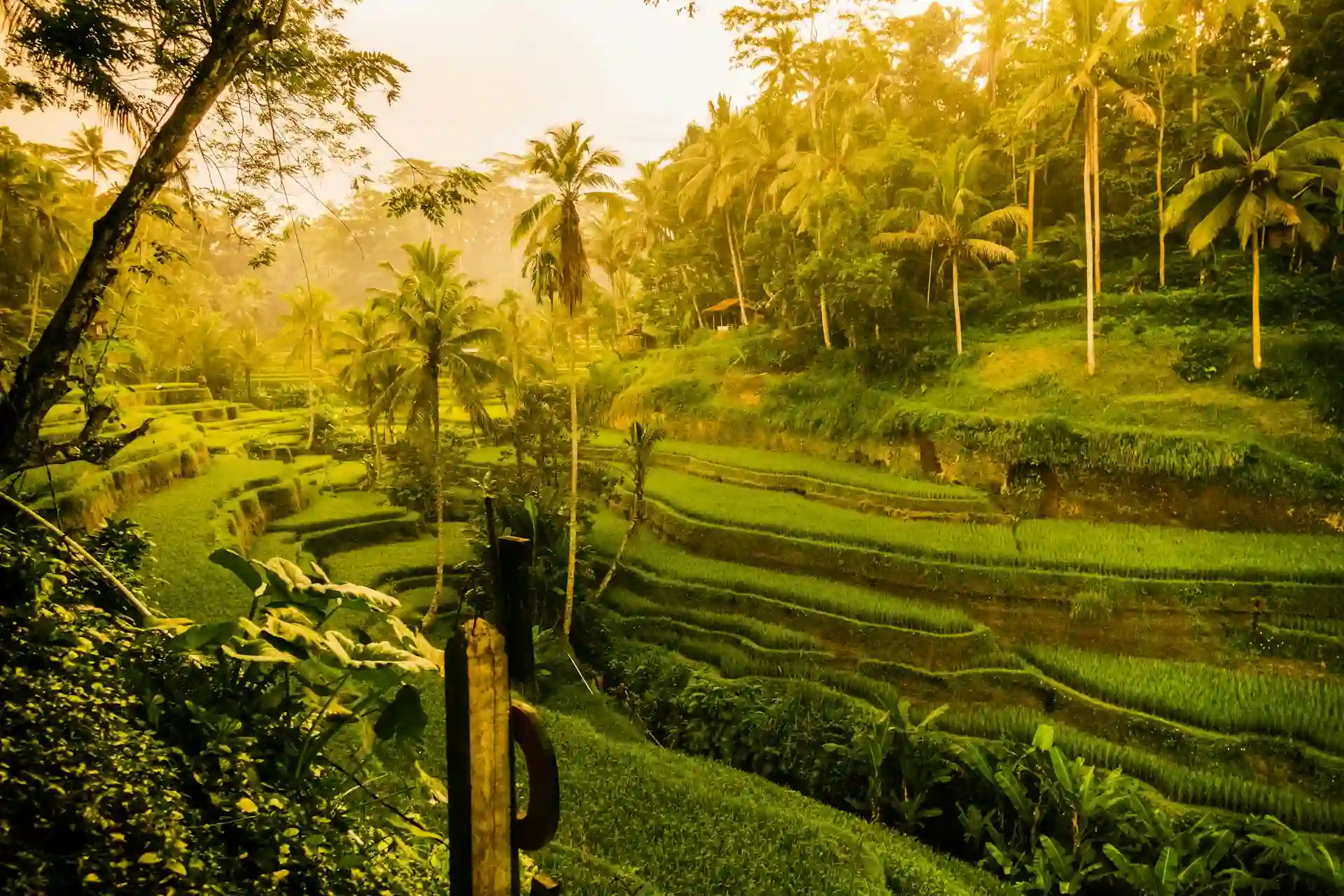
Ubud Area Guide for First-Time Visitors
When you arrive in Ubud, there’s this tiny moment where you think, “Wait… did I come to the wrong place?”And honestly, this is where the Ubud area guide begins—...
Ready to Plan Your Journey?
Tell us how you envision your journey. We'll thoughtfully arrange the rest.
Speak With Our Travel Designer