
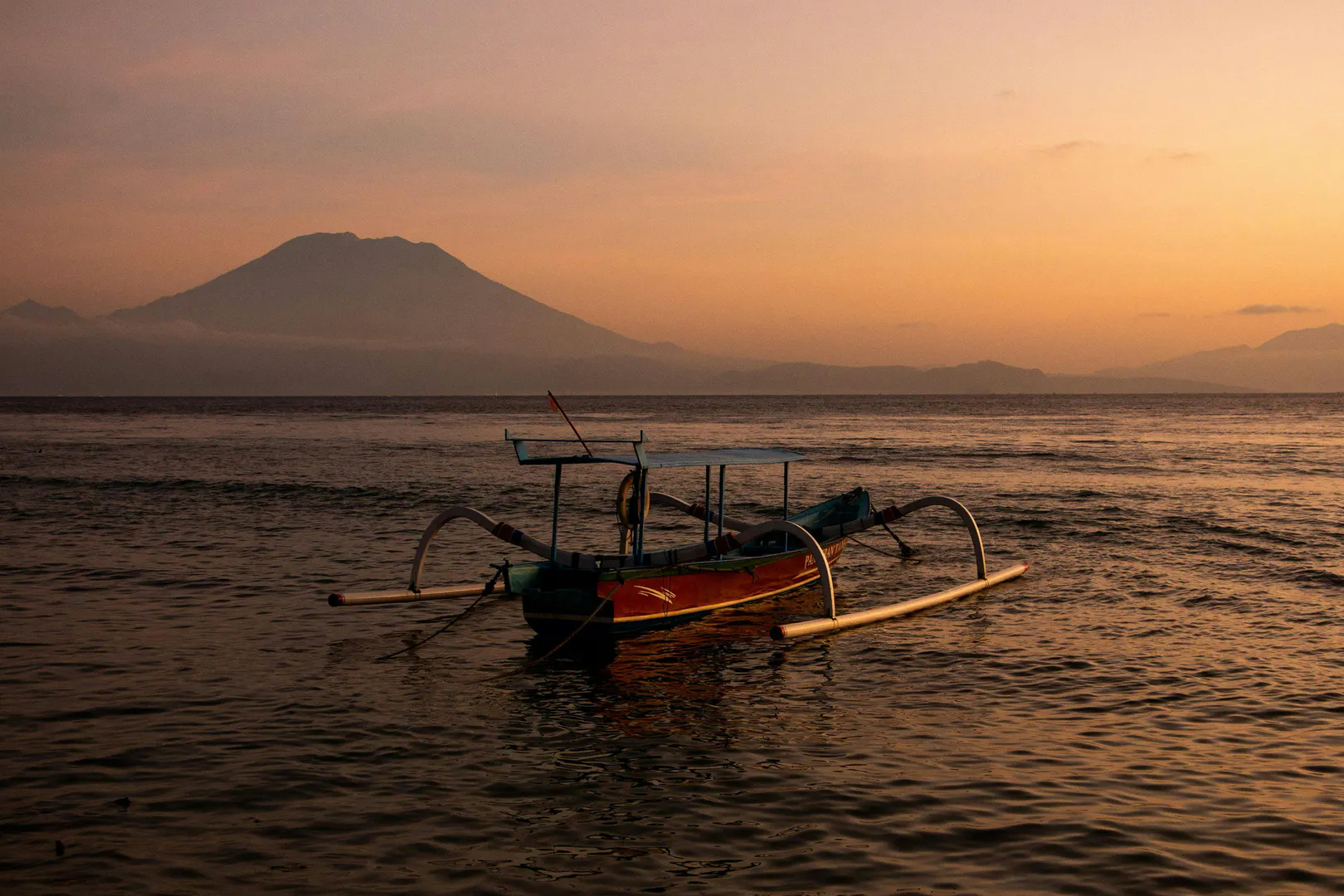
Where Bali Slows Down: A Thoughtful Guide to the Quiet Side of West Bali
There are parts of Bali that introduce themselves immediately—through sound, movement, and constant attention. West Bali does the opposite. It doesn’t arrive all at once. It reveals itself slowly, almost as if waiting for you to notice. The change is subtle at first. Roads stretch a little longer. Conversations become softer. Time begins to feel less structured, less urgent. What you experience here is not a dramatic shift, but a gradual release. And somewhere along the way, without trying, you begin to slow down with it.
There are parts of Bali that introduce themselves immediately—through sound, movement, and constant attention. West Bali does the opposite. It doesn’t arrive all at once. It reveals itself slowly, almost as if waiting for you to notice.
The change is subtle at first. Roads stretch a little longer. Conversations become softer. Time begins to feel less structured, less urgent. What you experience here is not a dramatic shift, but a gradual release. And somewhere along the way, without trying, you begin to slow down with it.
Located on the island’s far western edge, West Bali feels removed not just in distance, but in rhythm. It sits beyond the familiar energy of the south, where the pace is shaped less by visitors and more by everyday life. From the working harbor of Gilimanuk to the quieter coastal stretches near Pemuteran, the experience is less about spectacle and more about presence. A West Bali travel guide, in this sense, is not about listing places—but understanding how differently the island can be felt.
Reaching West Bali is part of the experience itself. The drive is rarely direct. There are pauses—ceremonies along the road, weather that shifts quickly, small roadside stops that invite you to linger longer than expected. The further west you travel, the more space begins to open. Traffic loosens, the landscape becomes less manicured, and the island starts to feel wider. It’s not designed for efficiency. And that’s precisely what allows the transition to happen—not suddenly, but gradually.
For many, Pemuteran becomes a natural base. Not because it offers constant activity, but because it remains quietly comfortable even when nothing is planned. Mornings unfold slowly. The sea sits calmly in the distance. Time feels unstructured in a way that doesn’t demand to be filled. Other areas, like Gilimanuk, offer more functional stays—useful for transit or short visits. But for those seeking a more settled rhythm, the coastal calm of Pemuteran aligns naturally with the wider experience of West Bali. Choosing where to stay here is less about convenience, and more about how you want your time to feel.
At the heart of the region lies West Bali National Park—not a single destination, but a protected landscape that spans both land and sea. Unlike more defined attractions, the park doesn’t offer a fixed experience. It asks a quieter question: what kind of day are you looking for? Some choose the clarity of the sea. Others move through forest paths, dry terrain, and mangrove edges. Many find that the experience is shaped not by what they do, but by how they move through it. There is a sense of quiet respect here. The environment feels held, not staged—and that changes how you engage with it.
Just off the coast, Menjangan Island offers one of the most refined marine environments in Bali. The experience begins with stillness—a short boat journey, a gradual distance from the mainland, and then a shift into the water where everything becomes quieter, simpler. Visibility is often clear, coral formations remain intact, and marine life moves without interruption. It is not an overwhelming spectacle, but a calm immersion. Because it is part of a protected marine area, the stillness you encounter exists because it has been carefully preserved.
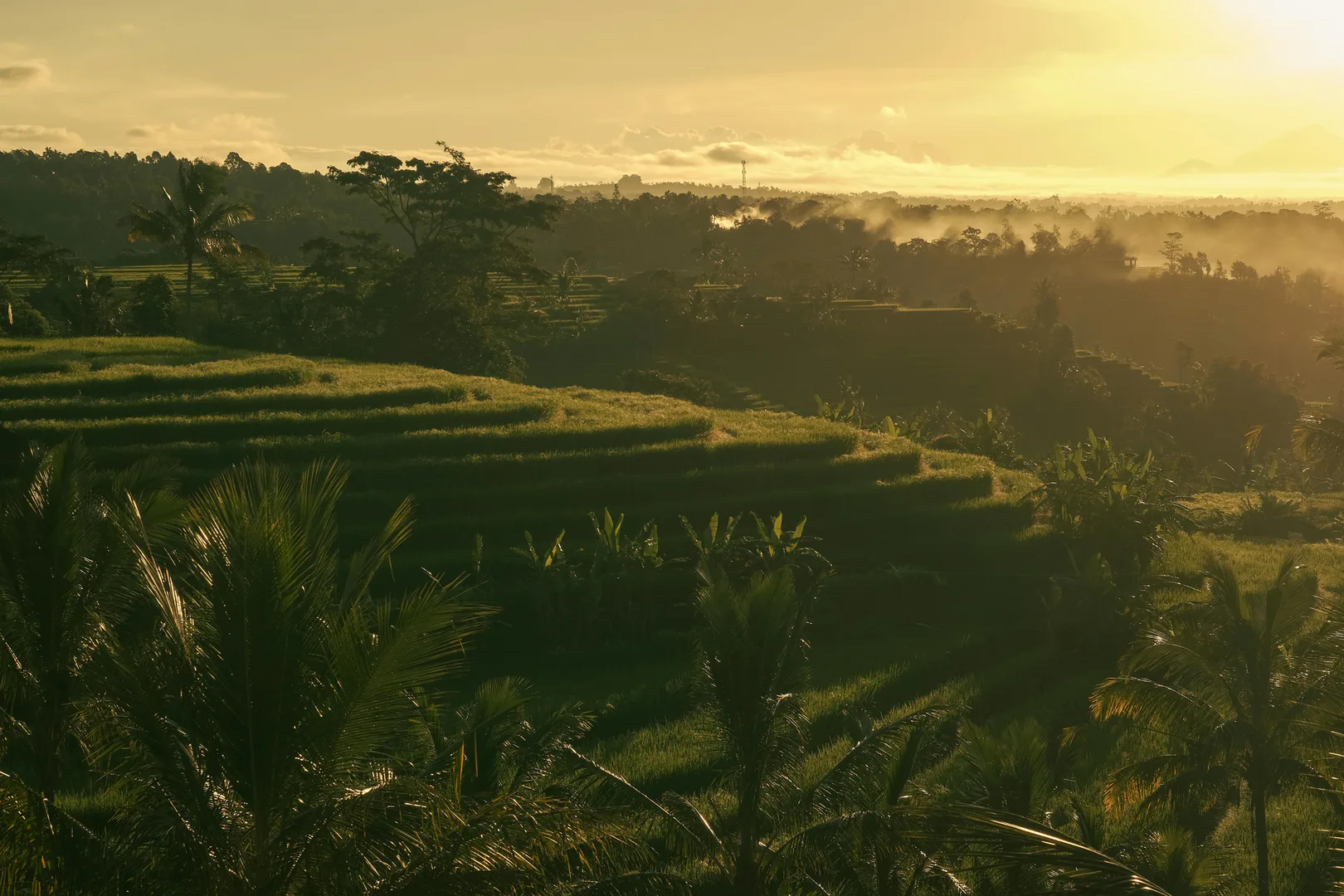
Away from the coastline, West Bali reveals a different character. The terrain becomes drier, the light sharper, the atmosphere more grounded. It does not follow the lush, tropical image often associated with Bali. Instead, it offers contrast—open spaces, textured landscapes, and a quieter form of beauty. Here, the experience is less about movement and more about observation. Small details become noticeable. Time stretches without needing to be filled. It is a different way of understanding the island—not as a destination to move through, but as a place to sit within.
As the day slows, so does everything around it. Evenings in West Bali are not built around activity, but around repetition and ease. A familiar place for dinner. The same table, if it’s available. A rhythm that returns without needing to change. In a region where little is demanded of your time, simplicity becomes the experience itself.
West Bali can be experienced throughout the year, but conditions vary depending on what you seek. Calmer seas tend to favor marine exploration, particularly around Menjangan. Early mornings offer the most comfortable conditions for land-based walks. Yet beyond timing, the more meaningful consideration is flexibility. Allowing space in your schedule often shapes the experience more than choosing the “perfect” month.
West Bali rarely announces itself as unforgettable. It doesn’t rely on immediate impact. But over time, it stays. In the quiet of its evenings, in the openness of its landscapes, in the way your pace begins to shift without intention. And long after you leave, it is often this quiet that you remember most.
Begin your journey with a thoughtfully arranged experience across Bali and Indonesia.
Journeys connected to this story
You may also be drawn to
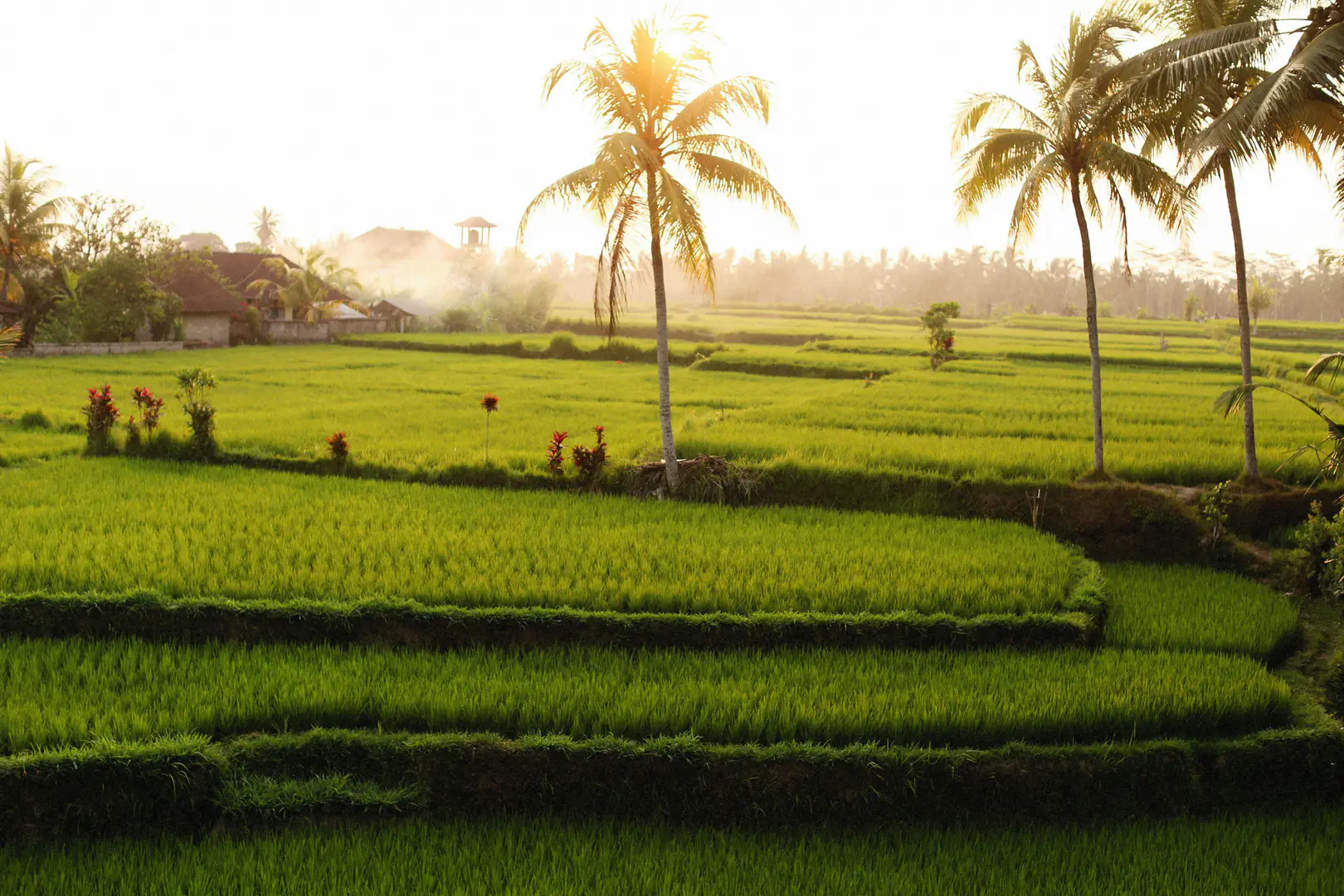
Why Ubud Feels Different for First-Time Visitors — in the Best Possible Way
When you arrive in Ubud, there’s this tiny moment where you think, “Wait… did I come to the wrong place?”And honestly, this is where the Ubud area guide begins—...
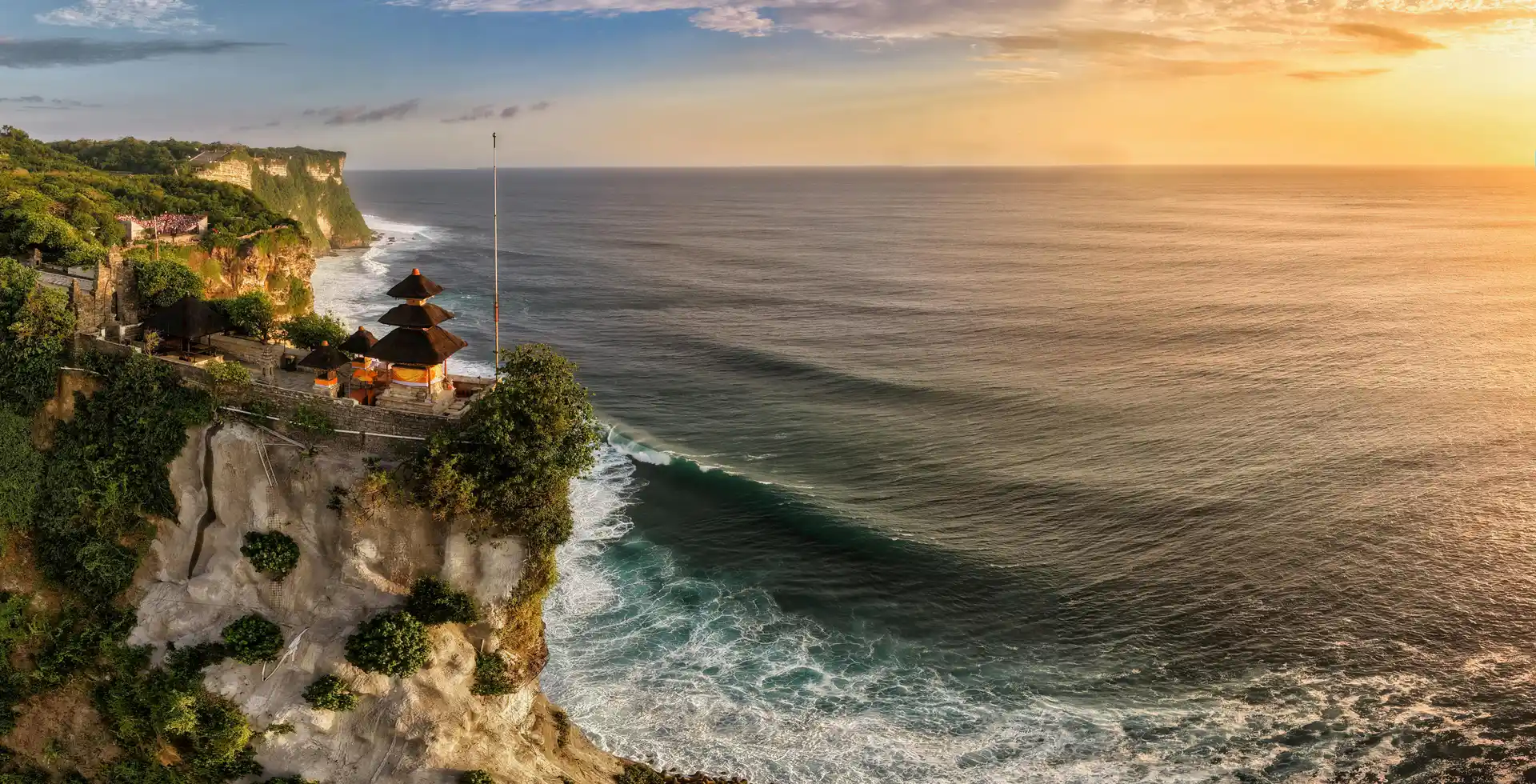
A More Honest South Bali Travel Guide for Travelers Who Want to Enjoy the Island Properly
Okay. You’re going to South Bali. I’m going to talk to you like we’re friends and you just asked me for a plan while you’re half-packed and mildly stressed. Th...
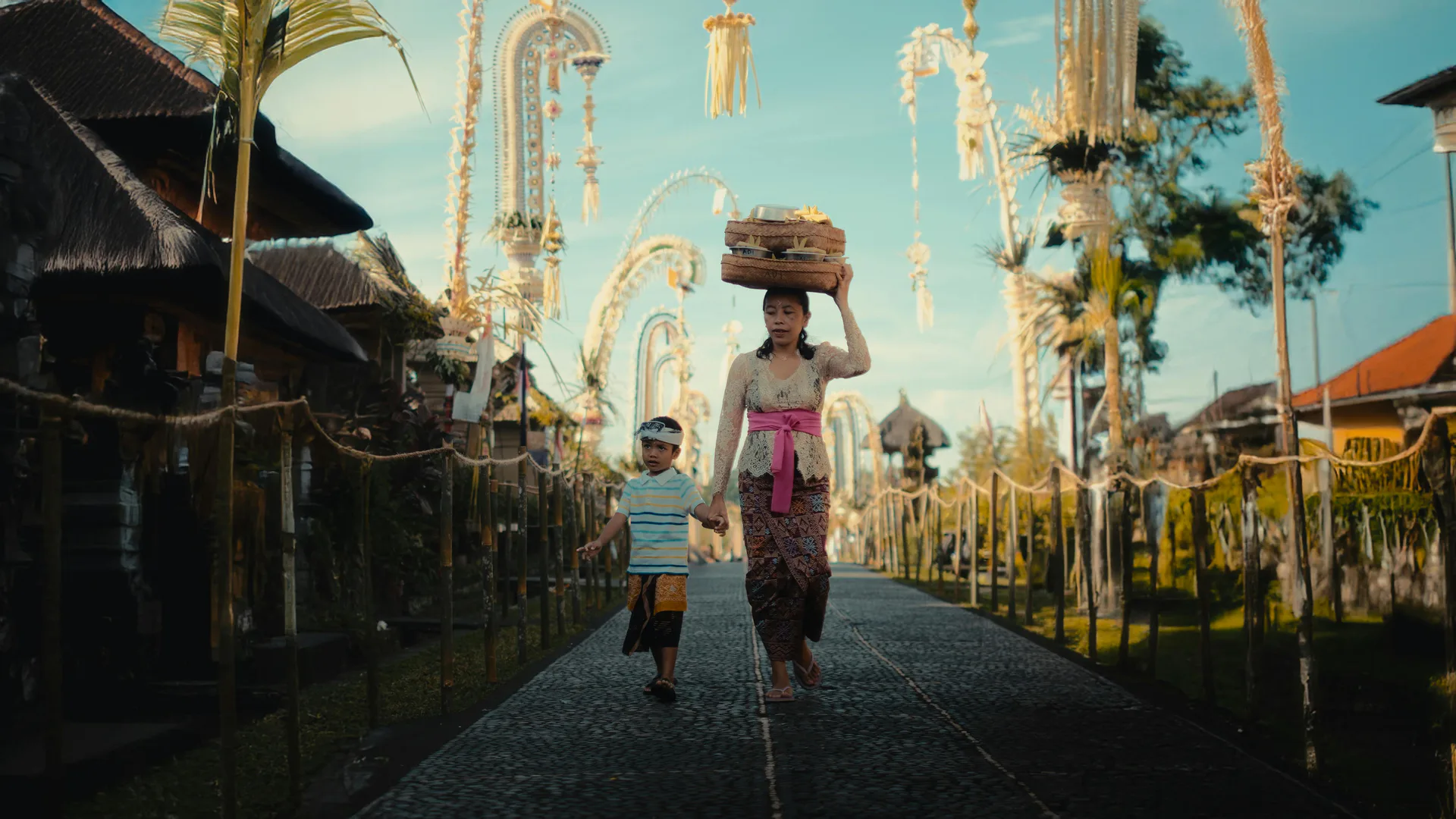
Why Central Bali Feels Like the Island Breathing at Its Own Pace
Let me tell you something first—before you open another tab, before you compare hotels, before you fall back into the idea that Bali equals beaches, clubs, and...

The Bali Beaches Worth Your Time — Depending on the Mood You’re Chasing
If we were chatting and you asked, “Which beaches in Bali are actually worth my time?” this is the answer I’d type back. Not dramatic. Not poetic on purpose. J...
Why Ubud Slowly Becomes the Place Travelers Find Hard to Leave
I’ll be honest with you.The first time I went to Ubud, I didn’t fall in love right away. There was no dramatic moment. No instant connection. I remember think...

Nusa Dua, Bali: A Travel Guide to Calm Luxury and Unhurried Days
I didn’t plan to fall for Nusa Dua. Honestly, it wasn’t even high on my list the first time I went to Bali. I thought it would be too polished, too neat, maybe...
Ready to Plan Your Journey?

Tell us how you envision your journey. We'll thoughtfully arrange the rest.
Speak With Our Travel Designer