
There is a moment, right before a trip properly begins, when you still feel like you are carrying the city on your back. Even if you love nature, even if you are excited, your mind keeps behaving like it has deadlines. You arrive and you look around. Then you look again, as if the first look did not count.
This is where connecting with place really starts. Not in the dramatic sunrise scene. Not with a perfect photo. It starts in the small adjustment your body makes when the air is different. Humid, sharp, salty, dusty. Sometimes you only notice it when you swallow.
I used to think I was “good at nature.” That sounds ridiculous now, but I mean it honestly. I thought enthusiasm was the same thing as connection. I would hike, take pictures, learn the names of a few trees, and go home feeling accomplished.
Then I began to notice how quickly I forgot what I saw.
It was not that the landscapes were not beautiful. They were. It was that I moved through them like a person scanning a menu. Quick decisions. Next item. Next view. And if you are drawn to connecting with nature travel, you probably know this feeling. The trip looks great in your camera roll, but it does not change you the way you expected.
Why Slowing Down Feels Awkward Before It Feels Good
Most people do not need more “adventure.” They need a different pace.
Slowing down in nature can feel strangely uncomfortable at first. You stop walking and you suddenly do not know what to do with your hands. You sit and you feel the itch to check a message. You stand still and your mind starts inventing tasks.
That early awkwardness is not a failure. It is a signal. Your attention is used to constant input, and silence can feel like emptiness even when it is not.
If you stay a little longer, something changes. Your brain stops demanding entertainment and starts collecting information. Not big information, usually. Small information. The angle of light on a leaf. The way wind makes one tree move differently than the others. A smell of wet stone after rain.
This is the first practical lesson in connecting with nature travel. The depth does not arrive when you chase it. It arrives when you stop chasing long enough for the place to come forward.
Place Is A Living System, Not A Stage
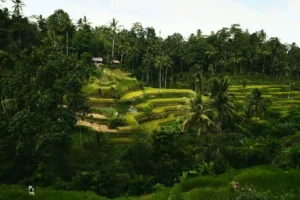
A landscape is not just scenery. It is a system with its own logic, and you can feel that logic when you pay attention.
A coastline, for example, is not just sand and waves. It is tides, wind, erosion, nesting areas, invisible currents. If you sit still, you can watch the shoreline change character within an hour. The water moves. The sound shifts. The birds behave differently. Your own mood changes too, which is part of the point.
A forest is similar but in layers. Canopy, understory, forest floor. When people say a forest is quiet, I sometimes wonder if they mean “quiet compared to traffic.” Because forests are busy. It is just a subtle kind of busy. You do not hear it if you are rushing and talking and thinking about what is next.
This is a second way to say something I keep returning to: connecting with place is not about having an emotional moment on command. It is about becoming sensitive to the system you are standing inside.
And yes, connecting with nature travel fits here as more than a phrase. It is a method. A way of stepping into a living context without treating it like a backdrop for your day.
The Quiet Science Of Noticing Without Turning It Into Homework
There is a temptation, especially for thoughtful travelers, to overdo it. To turn every walk into a personal transformation project.
I do not recommend that.
What works better is gentle observation. You do not need to “study” the forest. You just need to stay long enough to notice patterns.
Try this: pick a small area, not a whole trail. A patch of shore. A section of riverbank. A clearing. Then stay there longer than feels efficient. Five minutes is nothing. Ten minutes starts to feel like something. Fifteen minutes is where the interesting part begins.
You may notice tracks. Chewed leaves. A feather caught in bark. You may realize the wind is hitting one side of the clearing harder than the other. You may notice how insects gather where the ground is warmer.
None of this is dramatic. That is the good part.
This kind of attention is why connecting with nature travel can become deeply satisfying. It is not a performance. It is not a checklist. It is just your senses becoming useful again.
Getting Slightly Off Script, Carefully
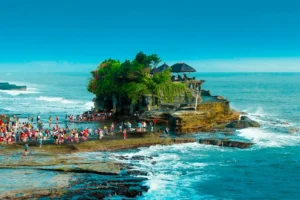
I am not talking about reckless wandering. Safety matters. Local rules matter. Fragile habitats matter.
But within safe boundaries, there is value in not optimizing everything.
If you plan every minute around highlights, your trip becomes a delivery system. You move from point to point, and the place becomes something you consume. You also miss the odd, personal moments that are not famous enough to be recommended.
Some of my strongest memories are from small detours. A side path that led to a stream. A viewpoint that was not “the” viewpoint. Sitting down because my legs were tired, and then realizing that the tiredness was part of the day, not a problem.
Sometimes you return to your planned route and think, that was nothing. Then later, it becomes the detail you remember most clearly. The smell of damp soil. The way the wind paused for a second. The sudden feeling that the landscape did not need you to be impressed.
This is another angle on connecting with nature travel: letting the unplanned moment become central instead of treating it as a mistake.
Context Helps You Read A Destination
You do not need a lecture before every trip. But a little context can change how you see.
In volcanic regions, for instance, the ground often feels alive in a way you cannot ignore. Black sand, sharp ridges, hot springs, fertile slopes. Even without deep geology knowledge, you can sense that the landscape is not finished. It is still being written.
On coasts with strong tides, you learn rhythm. You learn humility too. The water does not negotiate. You check tide times, you notice slippery rocks, you plan with the sea rather than against it. A simple habit, but it changes your relationship with the place.
In tropical rainforests, patience becomes the skill. The first impression can feel like chaos. Sound everywhere. Green everywhere. Then you start separating layers. Individual calls. Drips. Rustles that might be nothing, except they never feel like nothing.
Context is not trivia. It is a way to arrive with respect. And respect quietly improves the quality of connecting with nature travel, because it shifts you from “look at this” to “learn from this.”
Experiences That Naturally Invite Depth
Some experiences make depth easier because they slow you down by design.
A multi day walk is one of them. Your body learns the terrain. Your mind stops expecting instant reward. You start caring about practical things like water sources and shade and how your feet feel on different ground. Those practical details, oddly, make the place more intimate.
Quiet paddling is another. Canoeing or kayaking on calm water changes your relationship with sound. You notice reflections. You notice how wind pushes you slightly off line. You learn restraint, because loud movement scares wildlife and also steals your own calm.
And sometimes the best experience is doing almost nothing. Sitting near a river. Watching clouds build. Feeling bored, then less bored, then quietly absorbed. That transition is not wasted time. It is the doorway.
Trips built around nature travel experiences tend to feel richer because they include effort and stillness. Not constant intensity. Not constant novelty. More like a conversation than a playlist.
I will repeat a thought from earlier, because it keeps showing up in real life. The biggest view is not always the thing that changes you. Sometimes it is the moment you finally stopped moving and let the view reach you.
The Small Ethics Of Being There
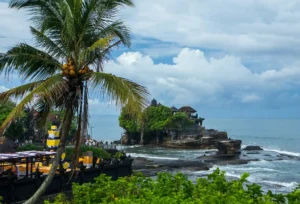
Connection has an ethical side, even if it is not trendy to say it that way.
When you feel attached to a place, you behave differently. You stay on trails. You avoid fragile zones like dunes, alpine meadows, nesting areas, coral edges. You keep noise down. You pack out what you bring.
These can sound like rules, but in practice they are manners.
There is also the community part. Many nature destinations are also people’s homes. Buying local food, learning basic etiquette, understanding seasonal pressures, all of that makes your presence lighter.
This is where deeper nature travel experiences become more than personal enrichment. They shape how you show up, and how much you take, and how much you leave behind.
And I should say something slightly uncomfortable. Nobody does this perfectly. I still catch myself rushing. I still catch myself stepping too close for a photo. The point is not perfection. The point is noticing, then choosing again.
How To Bring The Feeling Home Without Forcing It
If you want to make your next trip feel more grounded, plan fewer stops. Give one place more time. Let the day breathe.
On the trip itself, try a small ritual that does not feel performative. Start by listening for a minute before talking. End by writing down three details you would not have noticed in a photo. Not poetic lines. Just observations. Smell, texture, sound.
If you do not feel anything special, that can be normal too. Connection is not always immediate. Sometimes it arrives later, at home, when you smell rain on pavement and it reminds you of a trail, and suddenly you miss a place you did not realize you were bonding with.
That delayed feeling is still real. Maybe it is more real.
If your goal is connecting with nature travel that feels human and not staged, treat the land like a conversation partner. Ask a question. Pause. Let the answer be slow.
And if you slip back into rushing, it is fine. Just notice. Then try again.
One last thought, because it matters. You do not always need a far destination for this. You can practice it in a local park, on a familiar beach, on a trail you have walked many times. Place is patient. It will still be there when you are ready to pay attention.